You are not sure when to help and when to let your child find a solution.
A practical guide for parents
Less pressure. More trust.
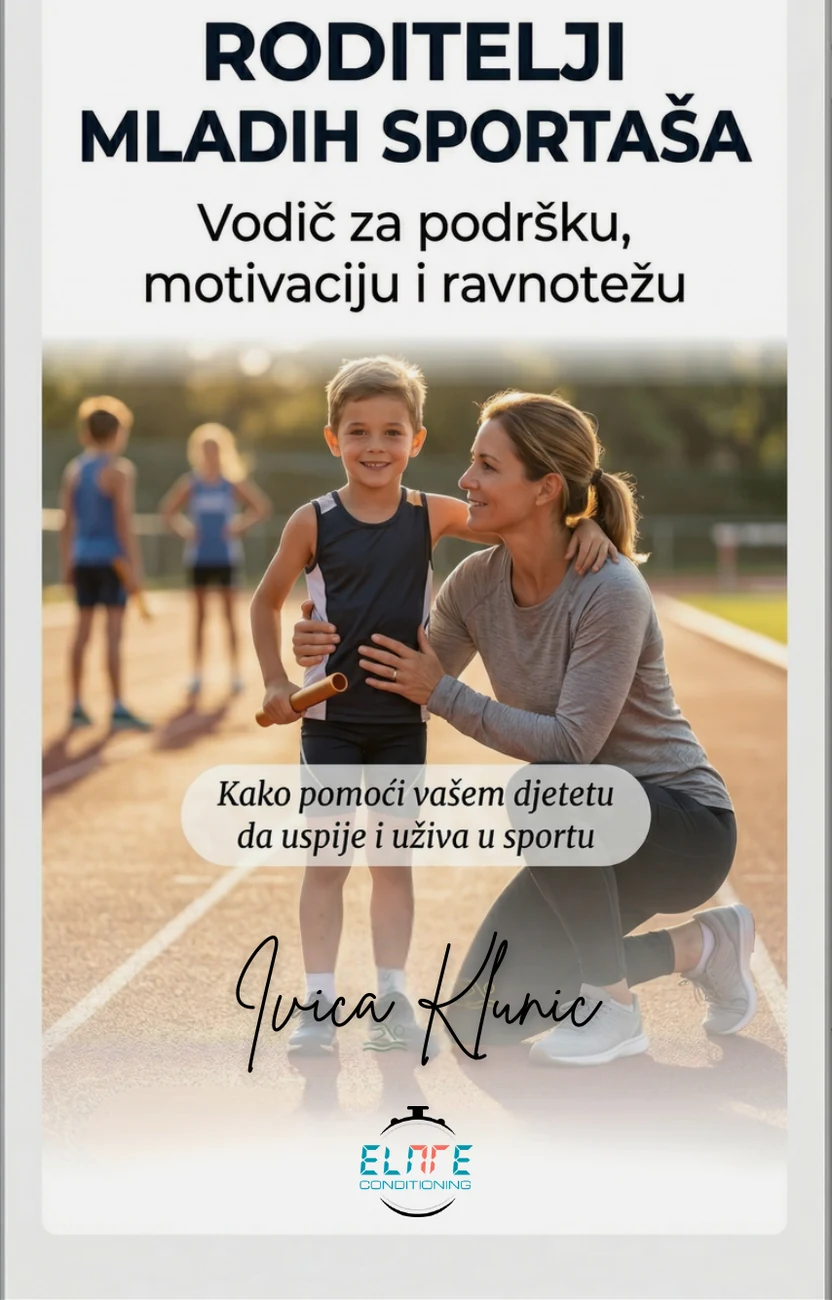
Learn to support a young athlete without constant analysis, comparison or taking over the coach's role.
Calmer conversations
Better decisions
Healthier support
Buy the guide
17 €one-time payment
The PDF guide will be sent by email immediately after purchase.
You want to help, but it is not always clear how
Good intentions can unintentionally add pressure.
Results and playing time can overshadow long-term development.
Yet conversations after a match sometimes end in tension.
Comparison creates doubt for both parents and young athletes.
The simple version
Your child already has a coach. What they need from you is a safe place.
Think of athletic development as a long journey.
The coach guides training while your child learns to find their way.
Your role is to offer stability when the road gets difficult, not to take the wheel.
Stepping back can be a way of offering better support.
What you will learn
Three shifts that change your relationship with your child's sport.
Focus on what matters
Focus on habits, development, health and lasting motivation.
Talk without pressure
Ask better questions before and after training or matches.
Make calmer decisions
Tell a genuine problem from a passing frustration or an emotional reaction.
What you get
Practical guidance you can use right away.
PDF guide
27 pages of clear guidance without unnecessary theory or complexity.
Parent checklist
A quick check of whether your support helps or unintentionally adds pressure.
7-day plan
Small steps toward better communication and a healthier relationship with sport.
Bonus questions
Questions that encourage conversation, independence and reflection.
Be a parent, not another coach
Be the support your child wants to return to.
Less pressure, more trust and a clearer role in your child's long-term development.
Buy the guide
17 €
One-time payment · digital product